Over the past two weeks, we walked into the world of Nintendo. This company, with a history spanning over a century, has not only witnessed the rise and fall of the video game industry but has also become a classic business case of resilience and continuous innovation.
Session 1: A Century of Nintendo & Market Rhythms
We started with Nintendo's 100-year history, reviewing the growth trajectory of this legendary company. We led the students through a Stock Price Review. The children discovered that Nintendo's stock price is heavily influenced by hardware cycles—the success or failure of each console generation profoundly impacts the company's fate.
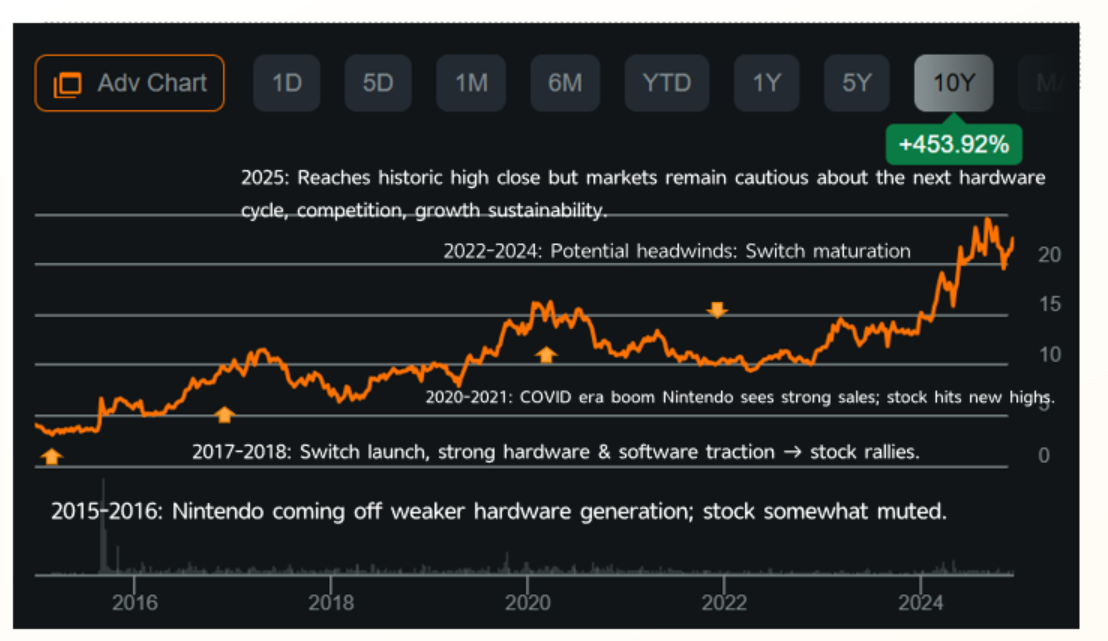
We also developed market research strategies to analyze the hype around the Switch 2. Surprisingly, the children remained rational and cautious about this "key future product." Some argued that "innovation in gameplay is insufficient," while others suggested "the younger generation might shift to more social platforms."
"The market is not a game of emotion, but a deduction of logic."
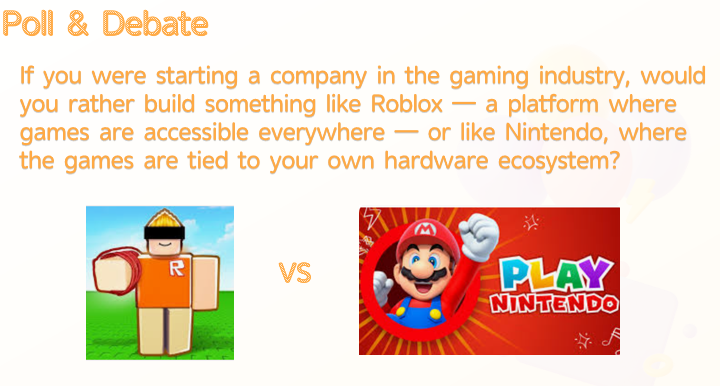
Session 2: The Business Model Battle
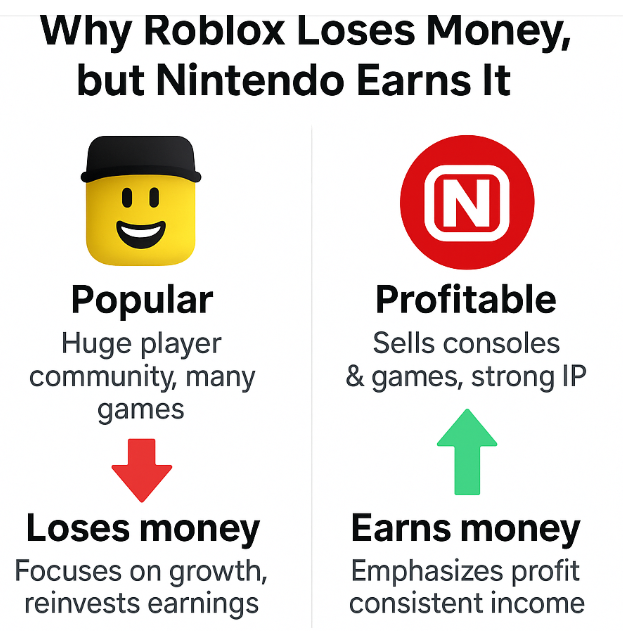
Why is Roblox so popular but struggling to make a profit, while Nintendo maintains high profitability? We used this comparison to deconstruct Nintendo's unique "Hardware + Software" model: content drives hardware sales, and hardware sustains the ecosystem.
Finally, we introduced Long & Short strategies in the stock market, helping children understand:
Investment is not gambling; it is a process of seeing the world clearly through data, logic, and patience.
🌟 The Kidvestor Philosophy
In our classroom, every case comes from the real world. We hope children find a starting point for thinking within the worlds they know—games, toys, and animation—building structured analytical skills to move from "Interest" to "Understanding" and "Creation."
"Business education is not about teaching kids to make money,
but teaching them to understand the world."